AI for Journalists: Tools, Risks, and Opportunities in 2026
“AI is automating structured news writing (financial reports, sports scores, weather) and data analysis in journalism. Investigative reporting, source development, accountability journalism, and storytelling remain deeply human. Journalists who use AI tools for research and production are significantly more productive — those who ignore them are falling behind.”

Educational content only. AI-assisted and editorially reviewed. See full Legal Notice.
AI for Journalists: Tools, Risks, and Opportunities in 2026
Journalism has a complex relationship with AI. On one hand, AI tools are genuinely making investigative and data journalism more powerful. On the other, AI-generated fake news and synthetic media represent an existential threat to journalistic credibility. And automation has already eliminated significant portions of routine journalism work.
Understanding all three dimensions is essential for every working journalist.
---
What AI Has Already Automated in Journalism
Automated Narrative Generation (ANG)
The Associated Press, Reuters, and Bloomberg have used AI to write financial reports, earnings summaries, and sports game recaps for years. The AP's AI partner Automated Insights (Wordsmith) generates thousands of short articles per day from structured data — quarterly earnings releases, sports statistics, real estate reports.
These articles follow strict templates: the data goes in, the article comes out. They are factually accurate for their data source and indistinguishable from human-written equivalents in their format.
What this displaced: entry-level journalists whose primary job was writing these formula-based articles. That market has largely evaporated.
Structured Report Generation
Weather forecasts, traffic reports, crime statistics summaries, election result updates, and other data-driven structured content are now generated automatically at major news organizations.
Heliogen (weather AI) and similar tools generate more granular, personalized weather content than human meteorologists can produce at scale.
---
Where AI Is Empowering Investigative Journalism
This is where the story becomes genuinely positive for serious journalism.
Document Analysis at Scale
Modern investigative journalism often involves analyzing enormous document sets — leaked databases, court filings, financial records, government documents. AI has transformed this.
Google Pinpoint allows journalists to upload thousands of documents and search them with natural language queries, identify patterns, and cross-reference information across documents that would take teams of humans months to review.
The International Consortium of Investigative Journalists (ICIJ), which broke the Panama Papers and Pandora Papers investigations, explicitly credits AI document analysis as critical to processing the massive data volumes involved.
DocumentCloud AI (ProPublica) provides AI-powered document analysis, entity extraction, and pattern finding built specifically for journalism.
OSINT (Open-Source Intelligence) Research
Bellingcat pioneered the use of open-source intelligence in journalism — tracking weapons, verifying locations, and identifying actors through public data. AI tools now dramatically accelerate OSINT work:
Interview Transcription and Analysis
Otter.ai and Fireflies transcribe interviews automatically. For journalists conducting dozens of interviews per investigation, this eliminates hours of transcription time and creates searchable records. AI can then identify themes, contradictions, and patterns across multiple interview transcripts.
Data Journalism
AI-powered statistical analysis, chart generation, and pattern identification allow data journalists to process and visualize datasets that previously required weeks of analyst work. Tools like Datawrapper AI and Flourish AI generate publication-ready data visualizations from raw data.
---
The Risks: AI and Misinformation
The same AI that empowers journalism is being weaponized against it.
Synthetic Media and Deepfakes
AI-generated video of political figures saying things they never said has become sophisticated enough to deceive many viewers. Synthetic audio — cloning a source's voice — enables fabricated quotes. Photorealistic AI images of events that never happened can go viral before debunking occurs.
Journalists now routinely use AI detection tools (TrueMedia, Intel FakeCatcher, deepware scanner) to verify media authenticity before publication.
AI-Generated Fake News at Scale
The cost of producing plausible-sounding fake news articles has dropped to near zero with AI writing tools. State actors, political operatives, and commercial misinformation networks are using AI to produce and distribute false content at unprecedented scale.
This creates a verification imperative: the journalist's traditional role as factual gatekeeper has never been more important, even as the volume of information requiring verification has exploded.
Hallucination in Research Tools
AI research tools including ChatGPT and Perplexity occasionally produce convincing-sounding false information — fabricated quotes, non-existent studies, incorrect facts. Every AI-assisted research output requires verification against primary sources before publication. This is non-negotiable.
---
The Growing Journalism Specializations
Data Journalist
Analyzes large datasets, creates data visualizations, and reports on numerical evidence. AI has expanded what's possible in this role dramatically. High demand, salary premium over traditional reporting.
Average salary: $75,000-$100,000
Verification/Fact-Checking Specialist
Demand for journalists who can verify AI-generated content, detect synthetic media, and debunk misinformation is growing rapidly. Most major outlets are building dedicated verification teams.
Average salary: $68,000-$90,000
Newsletter/Creator Journalist
AI tools enable individual journalists to produce newsletter content at a scale previously requiring a team. Solo newsletters with AI assistance covering specific beats are a growing business model.
Income: $50,000-$300,000+ (highly variable)
AI Coverage Specialist
Journalists covering AI, technology policy, and the societal impact of automation are in high demand as AI becomes a dominant policy and economic issue. Beat reporters at major outlets covering AI command premium salaries.
Average salary: $90,000-$130,000
---
The Skills That Make Journalists AI-Proof
Source development. Building trusted human sources who provide information not available in public databases or documents is irreducibly human. AI cannot build relationships with whistleblowers, insiders, or community sources.
Narrative judgment. Deciding what story matters, why it matters now, and how to tell it in a way that connects with audiences requires cultural intuition, empathy, and editorial judgment.
Accountability investigation. Following a story for months despite obstruction, legal threats, and institutional resistance is human work. AI can assist the investigation; only humans can sustain it.
Ethical reasoning. Deciding whether to publish sensitive information, how to protect vulnerable sources, and how to balance the public interest against potential harm requires human ethical judgment.
Community trust. Local journalism that maintains community trust requires sustained human presence and relationship-building that AI cannot substitute.
The journalists most protected in 2026 are those who combine traditional journalistic skills — source development, ethical judgment, narrative ability — with proficiency in AI tools for research, analysis, and production.
→ Google AI certification for journalists and media professionals
Hardware Validation
Vetted tools for peak Careers performance in high-yield AI workflows.

Macbook Air
The world’s premier laptop for mainstream users. An unprecedented fusion of silent performance, ultra-slim aesthetics, and multi-day battery longevity.
Check Today's Price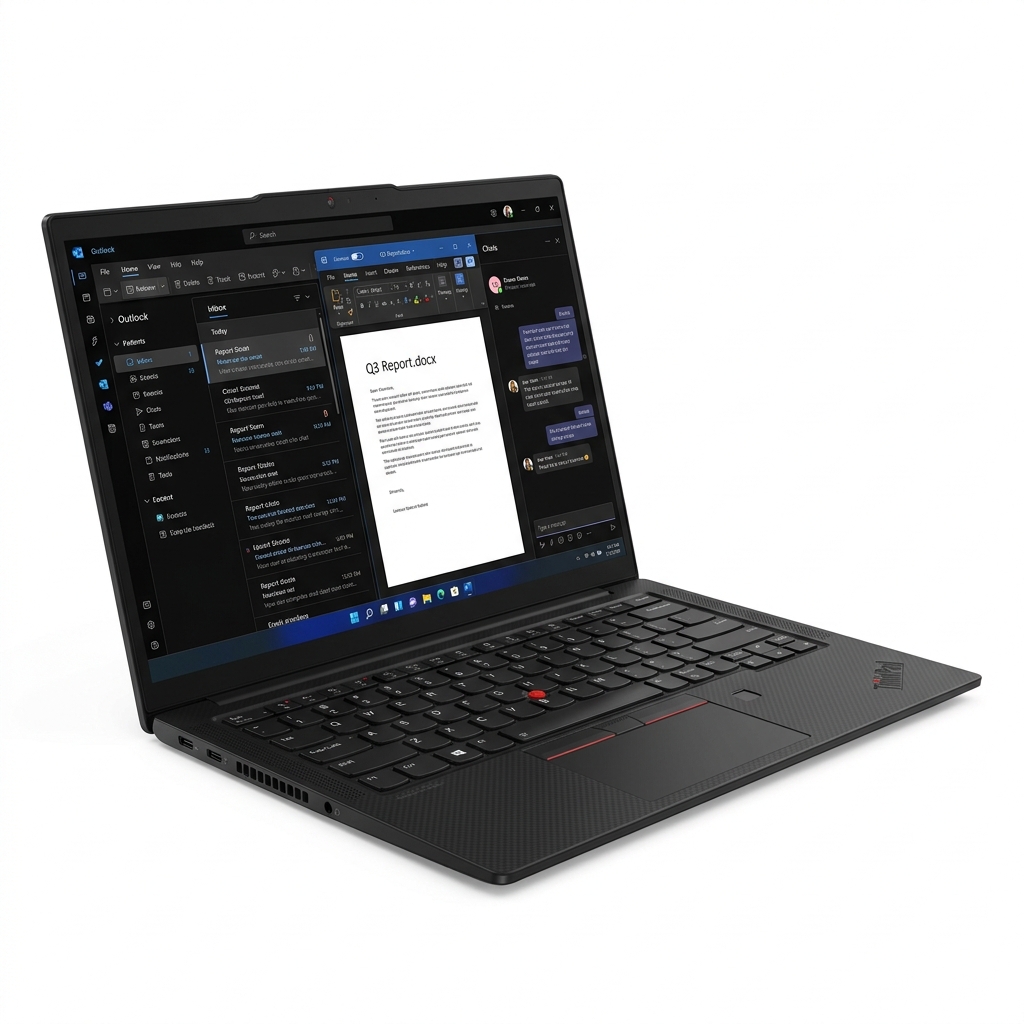
ThinkPad X1 Carbon
The ultimate enterprise workhorse. MIL-SPEC durability paired with the industry’s finest tactile keyboard; a timeless productivity tool.
Check Today's PriceTop AI Courses is an independent intelligence engine. We may earn an affiliate commission from qualifying purchases made through our "Market Links." This model ensures our architectural research remains decentralized, independent, and free for the global 2026 workforce.
AI Literacy for Journalists
“Google's AI certifications cover the tools most relevant to modern journalism — including Google Pinpoint for document research and AI-powered audience analytics.”
Explore Google AI Courses →The Architect's Library
Precision tools verified for 2026 AI ecosystems. Industrial-grade hardware for those who build the future.
Top AI Courses is an independent intelligence engine. We may earn an affiliate commission from qualifying purchases made through our "Market Links." This model ensures our architectural research remains decentralized, independent, and free for the global 2026 workforce.