AI for Marketing 2026: Tools, Strategies, and How to Stay Ahead
“AI marketing tools in 2026 span content generation (Jasper, Copy.ai), SEO optimization (Surfer SEO, Clearscope), ad creative (Meta Advantage+, Google Performance Max), email personalization (Klaviyo AI, Braze), and analytics (Salesforce Einstein, HubSpot AI). Marketers using AI spend 60% less time on content creation while producing more output.”
Educational content only. AI-assisted and editorially reviewed. See full Legal Notice.
AI for Marketing 2026: Tools, Strategies, and How to Stay Ahead
Marketing was one of the first industries transformed by generative AI — and in 2026, the transformation is deep and irreversible. The question for marketers is no longer "should I use AI?" but "how well am I using it compared to my competitors?"
This guide covers the practical reality: which tools deliver real ROI, which tasks AI handles best, and how to build AI competency into your marketing career.
The State of AI in Marketing
The numbers tell a clear story:
The marketers thriving in this environment aren't those who have replaced themselves with AI — they're those who've multiplied their output and improved their strategy by using AI for the work that slows them down.
AI Marketing Tools by Category
Content Creation and Copywriting
How top marketers use these: Draft generation (not final output), ideation at scale, variation testing, repurposing one piece of content into 10 formats.
SEO and Content Optimization
Key insight: With Google's AI Overviews in SERPs, content needs to directly answer questions (not just rank for keywords). AI-assisted content that's structured for featured snippets is outperforming traditional SEO content.
Advertising and Creative
Meta Advantage+ campaigns have shown average ROAS improvements of 22% over manual campaigns in large studies. The tradeoff: less control, more trust in the algorithm.
Email Marketing and Personalization
Analytics and Insights
Where AI Excels in Marketing
Content at scale: A blog strategy that once required 3 writers now runs with 1 writer plus AI, producing more content at higher consistency. One content manager using AI tooling can manage the output of a 5-person team.
A/B testing acceleration: AI can generate 50 ad copy variations in minutes. Running statistically significant tests no longer requires months — it requires days.
Personalization that actually works: Rule-based personalization ("if user is from California, show X") is being replaced by ML models that personalize content dynamically based on hundreds of behavioral signals.
Predictive lead scoring: AI models predicting which leads will convert (trained on historical CRM data) consistently outperform human intuition and rules-based scoring.
Competitive intelligence: AI tools can crawl competitor content, ads, and social media to surface strategic gaps and opportunities far faster than manual research.
What AI Can't Replace in Marketing
Brand voice and authenticity: AI can mimic a brand voice, but the *creation* of a distinctive, authentic brand voice requires human creativity, cultural awareness, and strategic vision.
Creative strategy: Deciding what story to tell, what campaign concept to pursue, which cultural moment to tap — these are creative and strategic decisions that require human judgment.
Relationship and community: Genuine influencer relationships, community building, PR, and partnership negotiations are fundamentally human activities.
Customer empathy and research: Deep qualitative research into customer psychology — focus groups, ethnographic interviews, emotional insights — remains human territory.
AI Marketing Career Paths
| Role | US Salary | Key AI Skills |
|---|---|---|
| AI Marketing Strategist | $110K–$160K | AI tools, data literacy, strategy |
| Marketing Data Scientist | $120K–$170K | Python, ML, marketing analytics |
| AI Content Operations Manager | $80K–$120K | AI content tools, editorial judgment |
| Paid Media AI Specialist | $75K–$110K | Meta Advantage+, Google PMax, attribution |
| MarTech AI Integration Lead | $130K–$180K | Marketing platforms, APIs, automation |
Building Your AI Marketing Stack
For individual marketers, a practical starting stack:
1. ChatGPT or Claude for content drafting, ideation, research synthesis
2. Surfer SEO or Clearscope for SEO-optimized content scoring
3. Canva AI for visual content at scale
4. HubSpot or Klaviyo AI for email personalization (choose based on your business model)
5. Google Analytics 4 for AI-powered attribution
For enterprises, layer in Salesforce Einstein, Adobe Sensei, and a dedicated content operations platform like Writer or Jasper.
The marketers who will dominate the next 5 years are building AI fluency now. Google's Digital Marketing certifications and IBM's Marketing Analytics programs offer structured paths to formalizing your AI marketing skills.
See what AI-fluent marketers earn in your country with our salary calculator.
Hardware Validation
Vetted tools for peak AI Applications performance in high-yield AI workflows.

Macbook Air
The world’s premier laptop for mainstream users. An unprecedented fusion of silent performance, ultra-slim aesthetics, and multi-day battery longevity.
Check Today's Price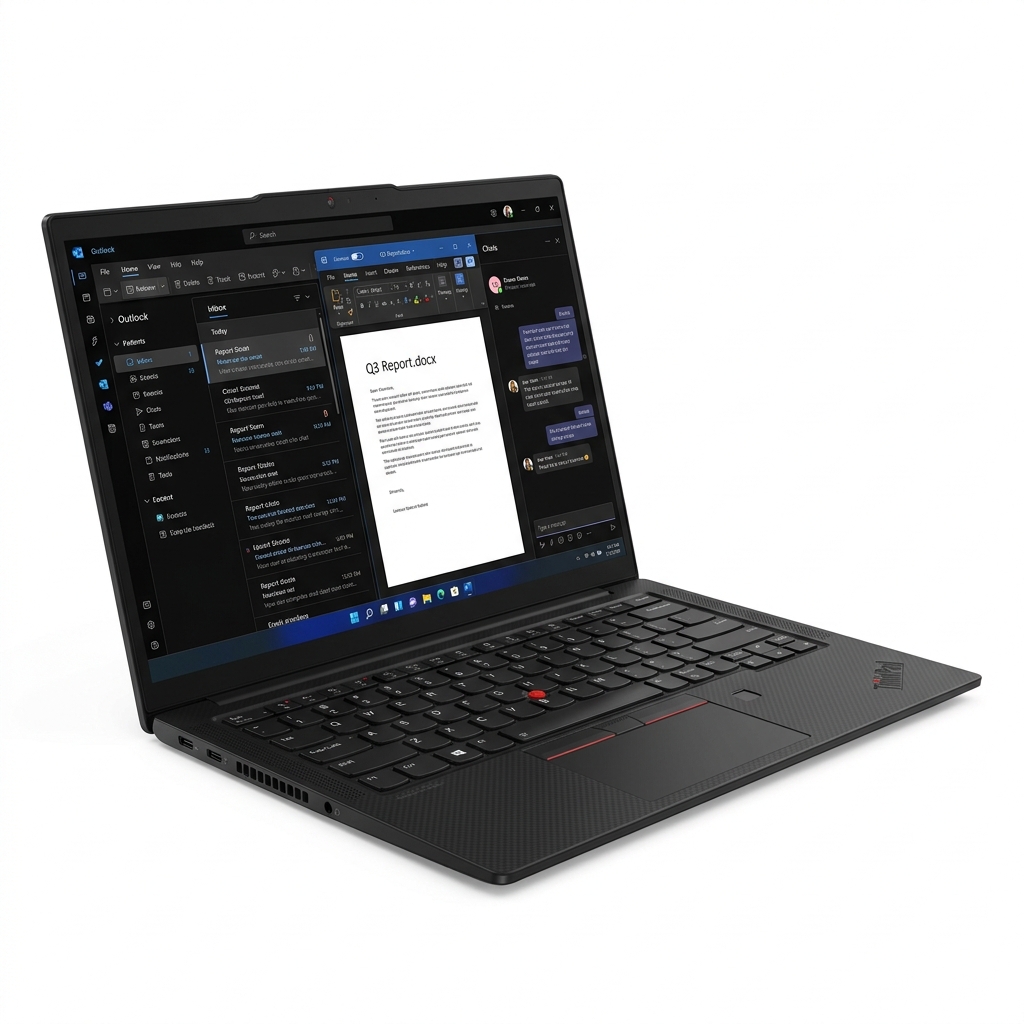
ThinkPad X1 Carbon
The ultimate enterprise workhorse. MIL-SPEC durability paired with the industry’s finest tactile keyboard; a timeless productivity tool.
Check Today's PriceTop AI Courses is an independent intelligence engine. We may earn an affiliate commission from qualifying purchases made through our "Market Links." This model ensures our architectural research remains decentralized, independent, and free for the global 2026 workforce.
Get Certified in Google AI for Marketing
“Google's marketing AI certifications cover Performance Max, AI-powered ads, and Analytics 4 — the tools shaping modern marketing.”
Explore Google AI Courses →The Architect's Library
Precision tools verified for 2026 AI ecosystems. Industrial-grade hardware for those who build the future.
Top AI Courses is an independent intelligence engine. We may earn an affiliate commission from qualifying purchases made through our "Market Links." This model ensures our architectural research remains decentralized, independent, and free for the global 2026 workforce.