AI for Pharmacists: How AI Is Changing the Profession in 2026
“AI in pharmacy is automating dispensing verification, drug interaction checking, and inventory management while expanding pharmacist roles into clinical consultation, medication therapy management, and population health. Pharmacists who embrace AI tools provide more clinical value — those who focus only on dispensing face the highest automation pressure.”

Educational content only. AI-assisted and editorially reviewed. See full Legal Notice.
AI for Pharmacists: How AI Is Changing the Profession in 2026
Pharmacy has always been a profession caught between two identities: the clinical expert who optimizes drug therapy, and the dispenser who fills prescriptions. AI is systematically automating the dispensing and verification side of this work — and in doing so, is forcing the profession to become more fully clinical.
For pharmacists who have been operating primarily as highly-trained dispensers, this is disruptive. For those who embrace the clinical role, this is the best development in decades.
---
The Automation of Dispensing
Robotic Dispensing
Automated dispensing robots from Omnicell, BD Rowa, and Swisslog have been deployed in hospital pharmacies for years, but the technology is becoming standard and increasingly sophisticated.
These systems store, retrieve, and package medications for inpatient orders with:
In large hospital systems, robotic dispensing handles the majority of standard inpatient medication orders. Pharmacists' time shifts to verification of AI-flagged exceptions rather than routine dispensing oversight.
AI Verification for Retail Pharmacy
ScriptPro and Parata robotic dispensing systems are now standard in high-volume retail pharmacies. For an independent pharmacy or chain location filling 200+ prescriptions per day, robotic dispensing is economically essential.
The verification workflow has shifted: instead of visually verifying each prescription fill manually, pharmacists verify AI-reviewed exceptions and complex prescriptions. Standard fills with no interaction flags, appropriate dosing, and matching patient profiles are flagged as low-risk by AI, requiring minimal pharmacist time.
---
AI Drug Interaction and Clinical Decision Support
Comprehensive Interaction Checking
Legacy drug interaction systems flagged thousands of interactions, most of which were clinically irrelevant — creating alert fatigue that caused pharmacists to dismiss alerts at high rates (studies showed alert override rates of 85-95% in some systems).
Newer AI systems, including First Databank AI and Epic's ClinicalDecision module, use machine learning to stratify interactions by clinical significance based on the specific patient context (renal function, age, other medications, indication). This reduces alert burden while increasing the proportion of clinically significant alerts that pharmacists actually act on.
The result: pharmacists catch more dangerous interactions while spending less time dismissing low-risk alerts.
AI Dosing Optimization
For medications with narrow therapeutic windows — anticoagulants, aminoglycoside antibiotics, immunosuppressants — AI dosing tools use patient-specific pharmacokinetic modeling to recommend individualized doses.
DoseMe and InsightRX incorporate patient weight, renal function, age, genetic factors (where available), and prior drug level measurements to recommend doses with greater precision than standard protocol tables. Clinical pharmacists using these tools achieve target therapeutic levels faster with fewer adverse events.
---
Medication Adherence and Population Health
Approximately 50% of patients with chronic diseases do not take their medications as prescribed. Non-adherence costs the US healthcare system over $500 billion annually in preventable hospitalizations and disease progression.
AI adherence platforms represent a genuine clinical opportunity for pharmacists to drive measurable health outcomes:
AdhereHealth and Tabula Rasa Healthcare analyze prescription fill data, claims, and patient risk factors to identify high-risk non-adherent patients. Pharmacist outreach focused on these high-risk patients produces far better adherence improvement per hour of pharmacist time than undifferentiated outreach.
For ambulatory care pharmacists managing chronic disease panels, AI-identified adherence risk is the key prioritization tool.
---
Telepharmacy: Expanding Clinical Reach
AI-supported telepharmacy is enabling clinical pharmacy services to reach patients who previously had no access — rural areas, long-term care facilities, underserved communities.
Clinical pharmacists conducting remote MTM consultations, anticoagulation management, and chronic disease optimization via telehealth platforms — supported by AI that pre-populates the clinical assessment from pharmacy and medical records — can manage larger patient panels while delivering high-value clinical services.
States have broadly expanded telepharmacy licensing since 2020, and the model is growing rapidly.
---
The Growing Clinical Roles for Pharmacists
Medication Therapy Management (MTM) Specialist
Works directly with patients on complex medication regimens — optimizing therapy, eliminating unnecessary medications, addressing adherence barriers, and monitoring outcomes. The most clinical-facing pharmacist role.
Salary premium: 15-25% above dispensing-focused roles
Ambulatory Care Pharmacist
Embedded in physician practices or clinics, managing chronic disease medication optimization under collaborative practice agreements. Handles diabetes, hypertension, anticoagulation, and similar medication-intensive conditions.
Average salary: $130,000-$160,000 in specialty areas
Pharmacy Informatics Specialist
Manages clinical decision support systems, automated dispensing configurations, and pharmacy AI tools. Bridges clinical pharmacy and health IT. Growing rapidly as hospital pharmacies deploy more technology.
Average salary: $110,000-$140,000
Population Health Pharmacist
Works with health systems and payers to analyze medication use across patient populations, identify high-risk patients, and develop pharmacist-led interventions to improve outcomes and reduce costs.
Average salary: $120,000-$150,000
---
The Skills Pharmacists Need in 2026
Clinical depth over dispensing breadth. The pharmacists most protected from automation are those with deep clinical expertise in specific therapeutic areas — cardiology, oncology, infectious disease, psychiatry — where medication management is complex enough to genuinely require PharmD expertise.
AI tool literacy. Understanding how to use, interpret, and appropriately trust AI clinical decision support tools is becoming essential. An AI dosing recommendation needs pharmacist interpretation in context — blind trust or reflexive dismissal are both dangerous.
Health informatics basics. For pharmacists interested in informatics roles, understanding EHR systems, clinical data structures, and how pharmacy AI tools are configured and monitored provides significant career differentiation.
IBM's healthcare AI certifications provide the most relevant foundation for pharmacists pursuing clinical informatics and population health roles.
Hardware Validation
Vetted tools for peak Careers performance in high-yield AI workflows.
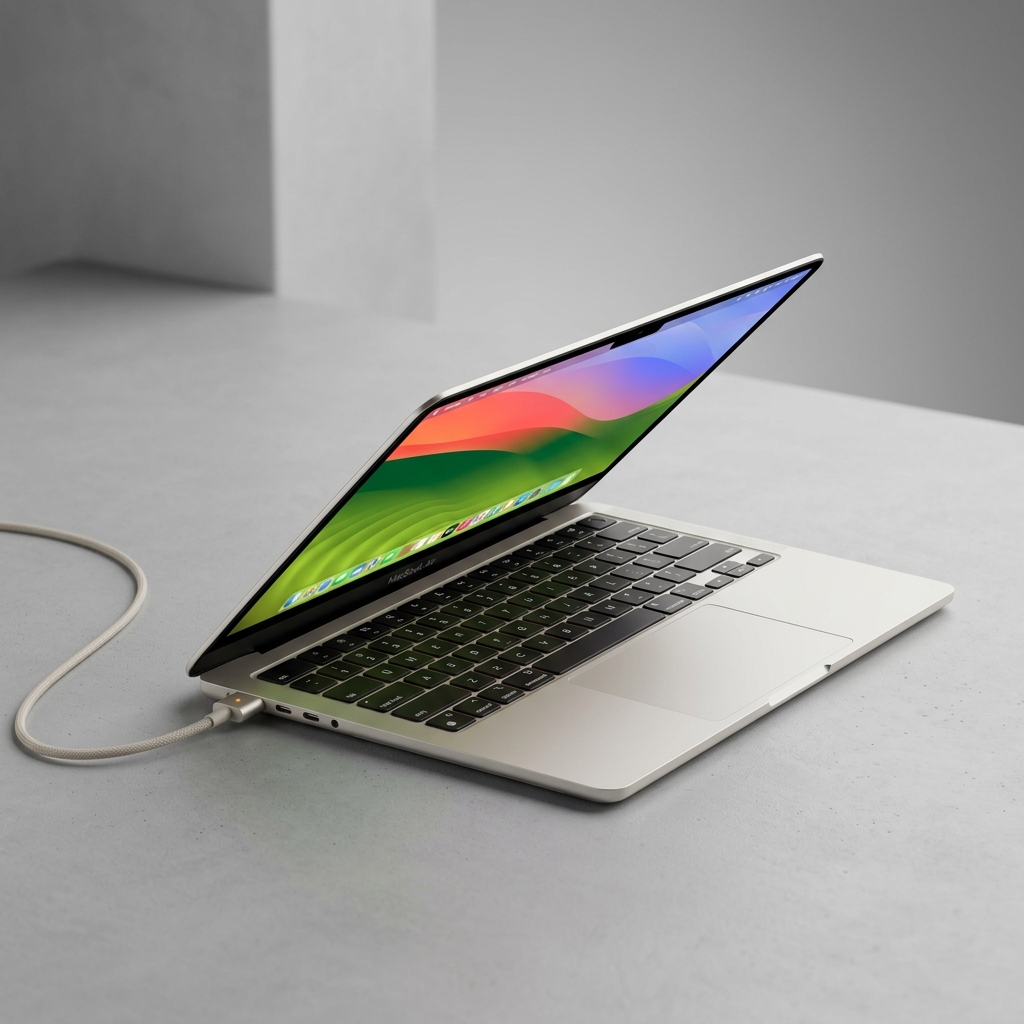
Macbook Air
The world’s premier laptop for mainstream users. An unprecedented fusion of silent performance, ultra-slim aesthetics, and multi-day battery longevity.
Check Today's Price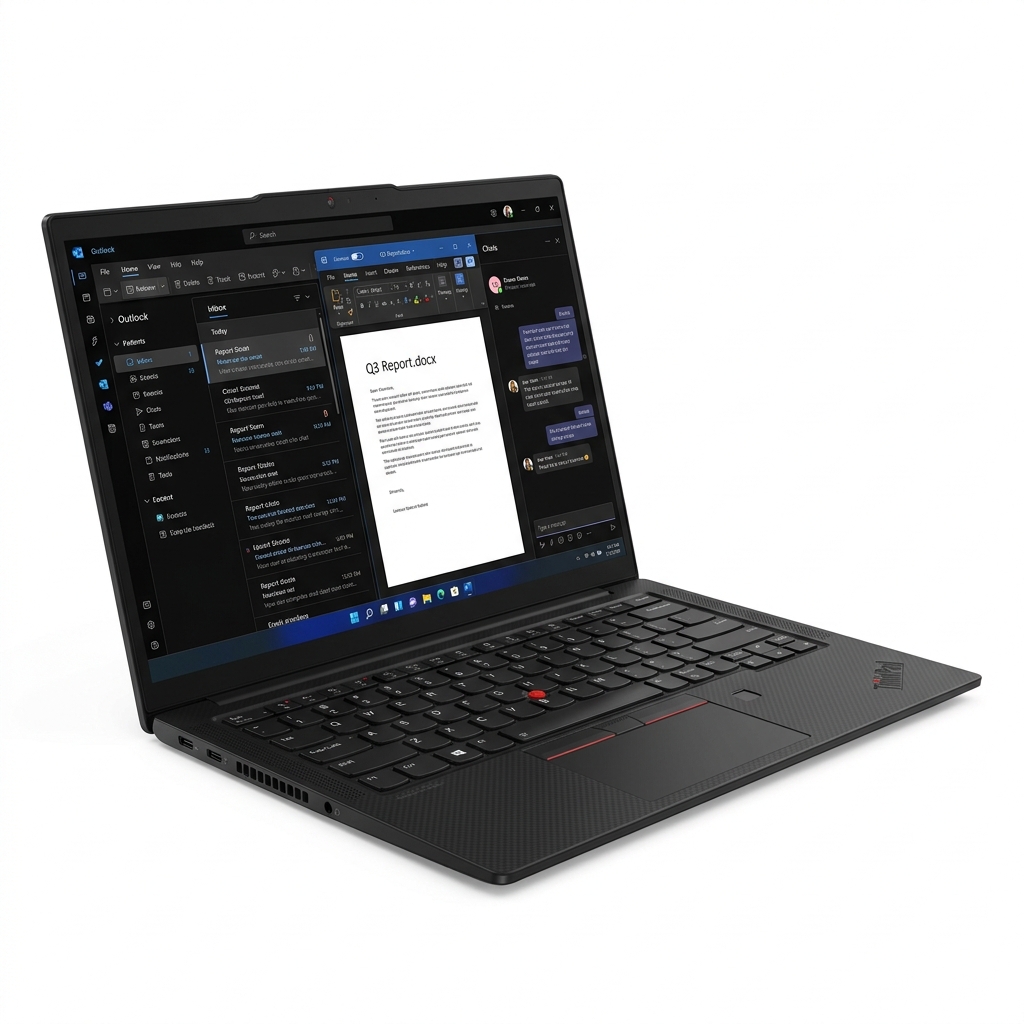
ThinkPad X1 Carbon
The ultimate enterprise workhorse. MIL-SPEC durability paired with the industry’s finest tactile keyboard; a timeless productivity tool.
Check Today's PriceTop AI Courses is an independent intelligence engine. We may earn an affiliate commission from qualifying purchases made through our "Market Links." This model ensures our architectural research remains decentralized, independent, and free for the global 2026 workforce.
AI Certification for Healthcare Professionals
“IBM's healthcare AI certifications are the most recognized for pharmacists pursuing clinical informatics and population health roles.”
Explore IBM AI Courses →The Architect's Library
Precision tools verified for 2026 AI ecosystems. Industrial-grade hardware for those who build the future.
Top AI Courses is an independent intelligence engine. We may earn an affiliate commission from qualifying purchases made through our "Market Links." This model ensures our architectural research remains decentralized, independent, and free for the global 2026 workforce.