AI in Healthcare 2026: Applications, Benefits, and What's Coming Next
“AI in healthcare in 2026 is deployed across diagnostic imaging (radiology AI detects cancers earlier than human radiologists in controlled studies), drug discovery (AI reduces discovery timelines from 12 years to 4-6 years), clinical documentation (ambient AI scribes reduce documentation time by 70%), and predictive analytics (sepsis prediction, readmission risk, ICU deterioration).”

Educational content only. AI-assisted and editorially reviewed. See full Legal Notice.
AI in Healthcare 2026: Applications, Benefits, and What's Coming Next
Healthcare is one of the most consequential domains for AI deployment — and one where the stakes for getting it right (or wrong) couldn't be higher. In 2026, AI has moved beyond pilot programs and into clinical practice at scale, with measurable impacts on patient outcomes, clinician workloads, and the economics of care delivery.
The Scale of AI Healthcare Adoption
The numbers are striking:
Key AI Healthcare Applications
1. Diagnostic Imaging and Radiology
AI's most mature clinical application is medical image analysis. Current capabilities:
Radiology:
Pathology:
Dermatology:
2. Drug Discovery and Development
This may be AI's highest-value healthcare application long-term. What's changed:
Protein structure prediction: DeepMind's AlphaFold 3 has essentially solved the protein structure prediction problem, enabling drug target identification at unprecedented speed.
Molecular generation: AI systems (Insilico Medicine, Recursion, AbSci) generate novel drug candidates optimized for specific targets, reducing early-stage discovery from 5-6 years to 12-18 months.
Clinical trial optimization: AI matches patients to trials, predicts dropout risks, and identifies optimal dosing — compressing trial timelines by 20-30%.
The first fully AI-designed drug to complete Phase 2 trials (Insilico Medicine's INS018-055 for IPF) marked a historic milestone in 2024. Multiple AI-designed drugs are now in Phase 3 as of 2026.
3. Clinical Documentation (Ambient AI)
One of the highest-impact applications for physician wellness and productivity:
How it works: A microphone records the doctor-patient conversation. AI transcribes, structures, and generates a clinical note draft in the EHR — which the physician reviews and approves.
Impact: Studies show 70-80% reduction in documentation time, with physician satisfaction scores improving dramatically. Several health systems report reductions in after-hours documentation ("pajama time") that contribute to physician burnout.
Major platforms: Nuance DAX (Microsoft), Suki, Abridge, Ambience Healthcare. Epic and Oracle Health have integrated ambient AI directly into their EHR workflows.
4. Predictive Analytics and Early Warning
AI-powered clinical decision support that predicts patient deterioration before it happens:
The challenge: Alert fatigue is real. Health systems are learning to calibrate AI alert thresholds to balance sensitivity with workflow disruption.
5. Administrative AI
Healthcare administration consumes roughly 35% of total healthcare costs in the US. AI is attacking this:
Challenges and Limitations
Algorithmic bias: AI models trained primarily on data from white, male, Western patients perform worse on underrepresented populations. The FDA now requires performance data across demographic subgroups for AI medical devices.
Regulatory pathway: FDA's 510(k) and De Novo pathways for AI medical devices are evolving. The "continuously learning algorithm" question — how to regulate AI that updates post-deployment — remains unresolved.
Integration complexity: Getting AI into actual clinical workflows (EHR integration, alert routing, physician trust) is often harder than building the AI itself.
Liability: When an AI-assisted diagnosis is wrong, who is liable — the AI developer, the hospital, or the physician? Legal frameworks are still developing.
Healthcare AI Career Opportunities
| Role | US Salary | Background |
|---|---|---|
| Clinical AI Informaticist | $120K–$165K | Clinical + data science |
| Healthcare AI Product Manager | $140K–$190K | Product + health domain |
| Medical Imaging AI Engineer | $150K–$200K | ML + computer vision |
| Health Data Scientist | $110K–$155K | Biostatistics + ML |
| AI Clinical Implementation Lead | $130K–$170K | Clinical operations + change management |
What's Coming Next
Multimodal foundation models for medicine: Models trained on imaging + clinical notes + lab values + genomics simultaneously, enabling holistic patient understanding.
AI-designed clinical trials: Adaptive trial designs optimized by AI for speed and statistical power.
Personalized medicine at scale: AI integrating genomic, proteomic, and clinical data to personalize treatment selection — moving precision medicine from rare cancers into common disease management.
Mental health AI: Chatbot-based mental health support, suicidality risk prediction, and digital phenotyping via smartphone sensor data are advancing rapidly.
For structured learning in healthcare AI, IBM's healthcare analytics courses and Google's Health AI programs offer strong foundations. Our salary calculator shows compensation by country for these roles.
Hardware Validation
Vetted tools for peak AI Applications performance in high-yield AI workflows.
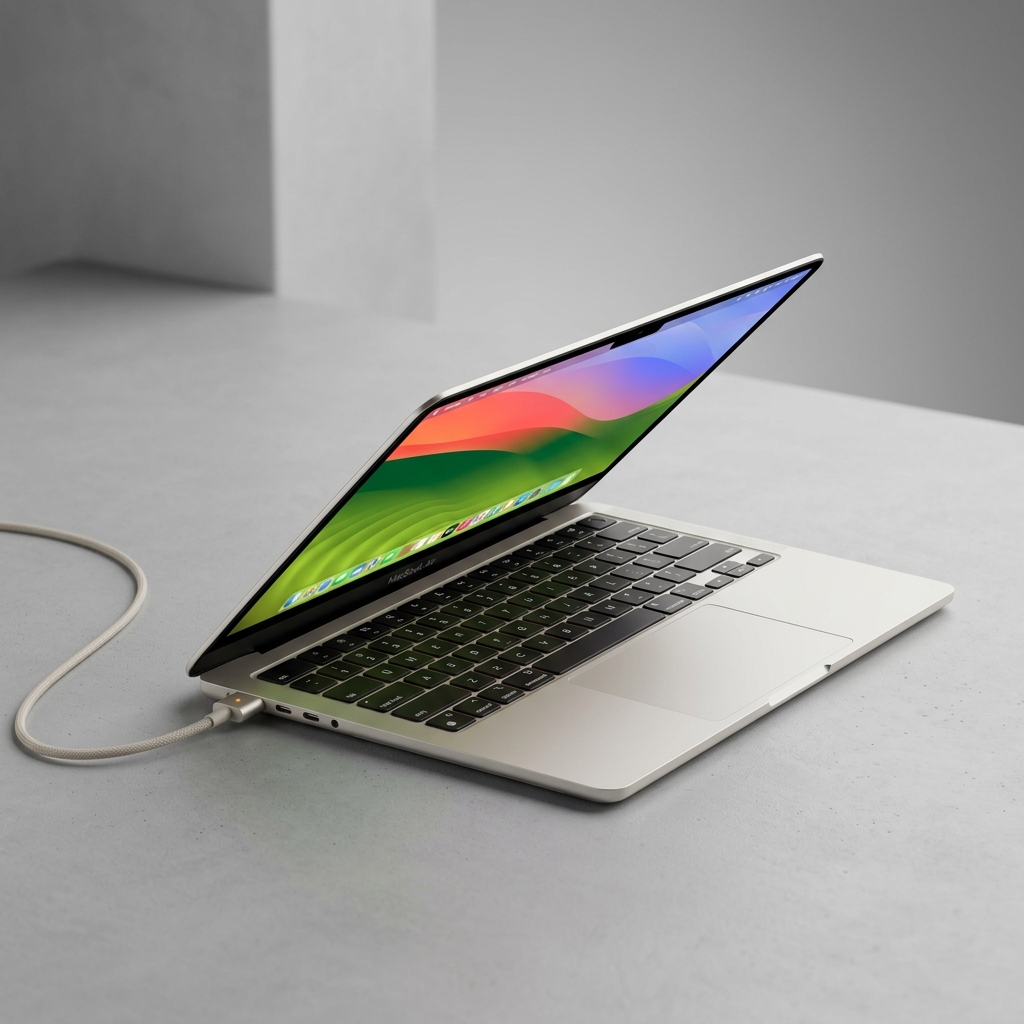
Macbook Air
The world’s premier laptop for mainstream users. An unprecedented fusion of silent performance, ultra-slim aesthetics, and multi-day battery longevity.
Check Today's Price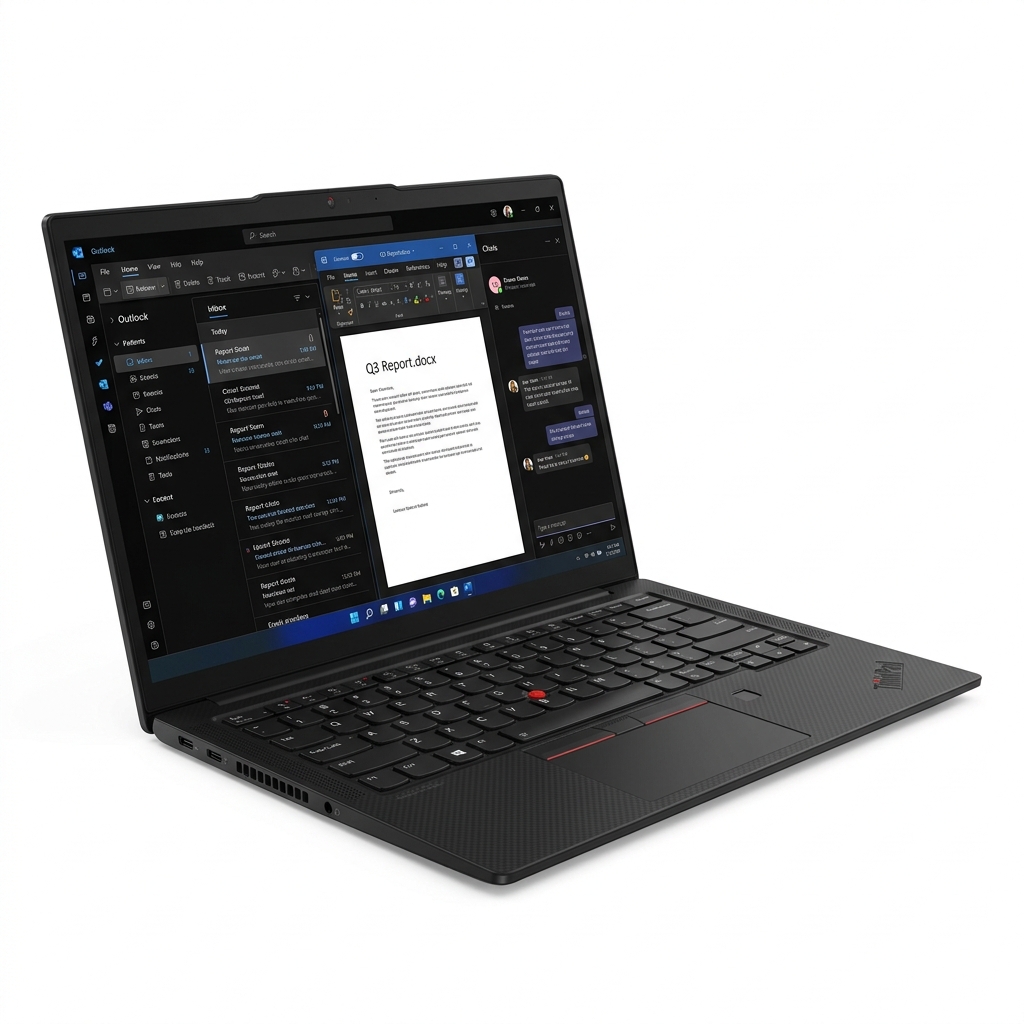
ThinkPad X1 Carbon
The ultimate enterprise workhorse. MIL-SPEC durability paired with the industry’s finest tactile keyboard; a timeless productivity tool.
Check Today's PriceTop AI Courses is an independent intelligence engine. We may earn an affiliate commission from qualifying purchases made through our "Market Links." This model ensures our architectural research remains decentralized, independent, and free for the global 2026 workforce.
Start with Google AI Healthcare Courses
“Google's Health AI programs cover clinical AI tools, medical imaging AI, and healthcare data analysis — critical skills for the next decade of medicine.”
Explore Google AI Courses →The Architect's Library
Precision tools verified for 2026 AI ecosystems. Industrial-grade hardware for those who build the future.
Top AI Courses is an independent intelligence engine. We may earn an affiliate commission from qualifying purchases made through our "Market Links." This model ensures our architectural research remains decentralized, independent, and free for the global 2026 workforce.