AI in Education 2026: How Artificial Intelligence Is Transforming Learning
“AI in education encompasses personalized learning platforms, automated grading tools, AI tutors, and administrative automation. In 2026, over 60% of K-12 schools and virtually all universities use AI-powered tools. Key platforms include Khan Academy's Khanmigo (Claude-powered), Duolingo Max, and Microsoft's Reading Coach.”

Educational content only. AI-assisted and editorially reviewed. See full Legal Notice.
AI in Education 2026: How Artificial Intelligence Is Transforming Learning
Education is undergoing its most significant transformation in a century. Artificial intelligence — once confined to research labs — is now present in classrooms, tutoring sessions, administrative offices, and curriculum design teams worldwide.
This isn't hype. It's a genuine restructuring of how knowledge is delivered, assessed, and personalized.
The Current State of AI in Education
By 2026, the EdTech AI market has surpassed $20 billion globally. Here's what that looks like in practice:
The shift isn't about replacing teachers — it's about dramatically amplifying what one teacher can do for 30 or 300 students.
Key AI Tools Reshaping Education
1. AI Tutors and Personalized Learning
Khan Academy's Khanmigo (powered by Claude/Anthropic) is the most prominent example: an AI tutor that guides students through problems with Socratic questioning rather than just giving answers. Students using Khanmigo show measurably faster mastery of math concepts.
Duolingo Max uses GPT-4o for role-play conversations and explanations in language learning — doubling completion rates in early studies.
Carnegie Learning uses AI adaptive math programs that have shown significant gains versus traditional curricula in large-scale studies.
2. Automated Assessment and Grading
AI can now grade:
This frees teachers from spending 40% of their time on grading — time redirected to high-value human interaction.
3. Intelligent Content Creation
Teachers are using AI to:
Microsoft's Reading Coach and Google's Read Along use AI to provide real-time pronunciation feedback — particularly transformative in under-resourced schools without reading specialists.
4. Early Intervention and Learning Analytics
AI analyzes patterns in student work to flag at-risk students weeks before traditional methods would catch them. Districts using predictive AI have reported significant drops in chronic absenteeism and course failure rates.
5. Administrative AI
AI now handles:
This alone saves school administrators 5-10 hours per week.
Impact on Different Education Levels
K-12 Education
Personalized pacing is the biggest win. AI platforms like IXL and DreamBox adapt difficulty in real time — a gifted student in a mixed classroom can work years ahead while a struggling student gets targeted support, all simultaneously.
The concern: schools in lower-income areas may lack infrastructure to benefit equally, widening existing gaps without intentional policy intervention.
Higher Education
Universities face a dual challenge: leveraging AI for better learning outcomes while maintaining academic integrity.
Most leading institutions have shifted away from "ban AI" policies toward "AI-integrated" policies — teaching students to use AI as a professional tool while designing assessments that test higher-order thinking AI can't replicate.
Corporate and Continuing Education
The fastest-growing segment. Companies like Google, Microsoft, and IBM have AI-powered learning platforms that deliver personalized upskilling at scale. See our AI certification course guides for a deep dive into the leading corporate AI training programs.
Career Opportunities at the Intersection of AI and Education
| Role | Average Salary (US) | Key Skills |
|---|---|---|
| EdTech AI Product Manager | $145,000 | Product management, learning science, AI literacy |
| Instructional Designer (AI tools) | $85,000 | Curriculum design, LMS platforms, prompt engineering |
| AI Literacy Educator | $75,000 | Teaching, AI tools, curriculum development |
| Learning Data Analyst | $95,000 | SQL, Python, learning analytics platforms |
| EdTech Startup AI Engineer | $160,000 | ML engineering, NLP, recommendation systems |
Internationally, this sector is booming in the UK, UAE, Singapore, and India, where government initiatives are funding AI in education at scale.
Challenges and Concerns
Academic integrity: AI-generated work detection is an arms race. Tools like Turnitin's AI detector are imperfect, pushing educators toward oral exams, project-based learning, and in-class assessments.
Teacher training: 70% of teachers report wanting more training on AI tools before integrating them. School districts that invest in PD see dramatically higher adoption and outcomes.
Data privacy: Student data used to train AI systems raises serious FERPA and GDPR concerns. Vetting vendor data practices is now a critical district procurement skill.
Equity: AI tutors need good internet connectivity and device access — not universally available. The digital divide threatens to make AI in education another inequality amplifier.
What This Means If You're a Teacher or Student
If you're a teacher: The risk isn't being replaced — it's being outcompeted by teachers who use AI effectively. Learning to integrate AI tools into your workflow (lesson planning, differentiation, assessment) is now a core professional skill. Microsoft's AI certification programs include education-specific tracks.
If you're a student: AI tutors are the great equalizer — you now have access to patient, personalized, expert help 24/7 that was once available only to wealthy students with private tutors. Use them.
The trajectory is clear: AI in education isn't a feature — it's becoming the infrastructure of modern learning. Those who understand how to work with it, teach with it, and build with it will define the next generation of education.
Check our AI salary calculator to see what EdTech AI roles pay in your country.
Hardware Validation
Vetted tools for peak AI Applications performance in high-yield AI workflows.

Macbook Air
The world’s premier laptop for mainstream users. An unprecedented fusion of silent performance, ultra-slim aesthetics, and multi-day battery longevity.
Check Today's Price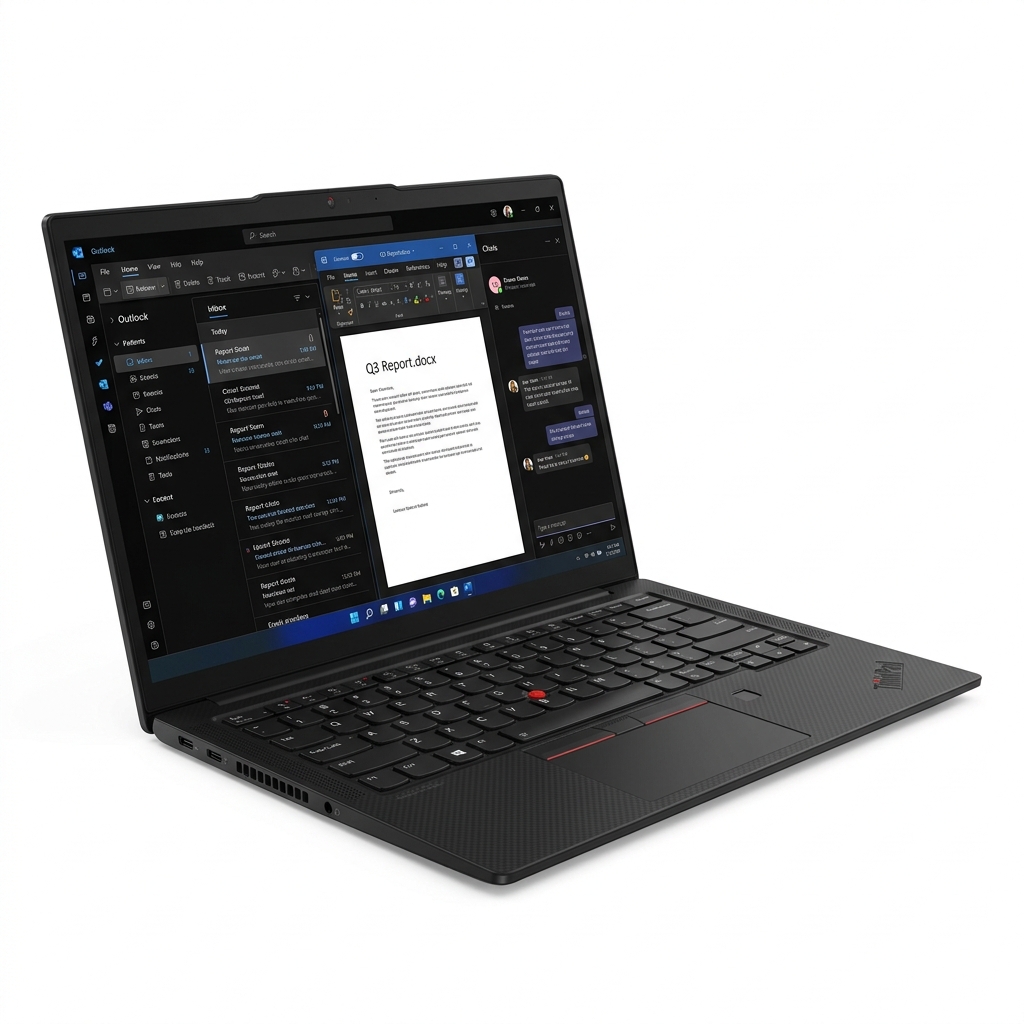
ThinkPad X1 Carbon
The ultimate enterprise workhorse. MIL-SPEC durability paired with the industry’s finest tactile keyboard; a timeless productivity tool.
Check Today's PriceTop AI Courses is an independent intelligence engine. We may earn an affiliate commission from qualifying purchases made through our "Market Links." This model ensures our architectural research remains decentralized, independent, and free for the global 2026 workforce.
Get Certified in Google AI Tools
“Google offers the most widely-used AI tools in education — certifications that open doors in EdTech and classroom roles worldwide.”
Explore Google AI Courses →The Architect's Library
Precision tools verified for 2026 AI ecosystems. Industrial-grade hardware for those who build the future.
Top AI Courses is an independent intelligence engine. We may earn an affiliate commission from qualifying purchases made through our "Market Links." This model ensures our architectural research remains decentralized, independent, and free for the global 2026 workforce.