7 AI Skills That Pay in 2026 (That Aren't Prompt Engineering)
“The 7 highest-value AI skills in 2026 beyond prompt engineering are: RAG architecture design, multi-agent orchestration, AI evaluation and red-teaming, MLOps and model deployment, synthetic data generation, AI governance and compliance, and vector database management. Each commands a $20k–$60k salary premium over general AI literacy.”

Educational content only. AI-assisted and editorially reviewed. See full Legal Notice.
7 AI Skills That Pay in 2026 (That Aren't Prompt Engineering)
Direct Answer: Prompt engineering peaked as a career category in 2023. By 2026, it's a browser extension, a feature in Microsoft Word, and a checkbox on most ATS systems. The professionals earning $185k–$380k in AI have moved up the stack. Here are the 7 skills that replaced prompt engineering at the top of the compensation curve.
The Skills Hierarchy in 2026
Think of AI skills like layers in a building:
| Skill | Salary Premium Over Baseline | Demand Level | Best Certification Path |
|---|---|---|---|
| RAG Architecture | +$45k–$60k | Extreme | Google AI Professional |
| Multi-Agent Orchestration | +$50k–$80k | Extreme | NVIDIA Deep Learning |
| AI Evaluation / Red-Teaming | +$35k–$55k | Very High | IBM Trusted AI |
| MLOps & Model Deployment | +$40k–$65k | Very High | AWS ML Specialty |
| Synthetic Data Generation | +$30k–$50k | High | Google Cloud AI |
| AI Governance & Compliance | +$30k–$45k | High | IBM Ethics |
| Vector Database Management | +$25k–$40k | High | Microsoft Azure AI |
---
Skill #1: RAG Architecture Design (+$45k–$60k)
Retrieval-Augmented Generation is the architecture behind almost every serious enterprise AI product in 2026. Instead of asking a model to "know" everything, RAG systems store knowledge in a vector database and retrieve relevant chunks at query time.
Building a production RAG system requires:
This is a full engineering discipline, not a single skill. The Google AI Professional Certificate covers the foundational layer; production RAG requires additional hands-on work with platforms like AWS Bedrock or Azure OpenAI.
---
Skill #2: Multi-Agent Orchestration (+$50k–$80k)
The highest salary premium on this list. Multi-agent orchestration is the design and implementation of systems where multiple AI agents collaborate, check each other's work, and complete complex tasks autonomously.
A single-agent system: "Write a market analysis report."
A multi-agent system: Agent 1 searches for recent market data. Agent 2 analyzes competitor pricing. Agent 3 synthesizes findings into a report. Agent 4 fact-checks all claims. Agent 5 formats for the client.
No human intervention between steps.
The professionals who build these systems are called "AI Orchestration Architects" — the highest-paid role we project for 2030. The NVIDIA curriculum and frameworks like LangGraph and AutoGen are the current learning path.
---
Skill #3: AI Evaluation and Red-Teaming (+$35k–$55k)
Before any serious company deploys an AI system, someone must systematically try to break it. This is called red-teaming — and it's a formalized profession in 2026.
AI red-teamers probe models for:
This skill requires both technical understanding of model behavior and the creativity to find edge cases. The IBM Trusted AI certification provides the frameworks; the practical application is learned through open-source red-teaming challenges and bug bounty programs run by Anthropic and OpenAI.
---
Skill #4: MLOps and Model Deployment (+$40k–$65k)
Building a model is 20% of the work. Running it reliably in production is 80%. MLOps is the engineering discipline that manages the deployment, monitoring, scaling, and maintenance of AI models at scale.
MLOps engineers in 2026 work with:
The AWS ML Specialty certification is the most industry-recognized credential for this path. Microsoft Azure AI Engineer is the enterprise alternative.
---
Skill #5: Synthetic Data Generation (+$30k–$50k)
Every AI model needs training data. Real-world data is limited, expensive to label, and often contains privacy-sensitive information. Synthetic data solves all three problems.
Synthetic data engineers build pipelines that generate realistic, statistically valid training data — without using real personal information. This is particularly critical in healthcare (HIPAA), finance (GDPR), and legal (attorney-client privilege).
The Google Cloud AI platform has the most developed tooling for synthetic data generation in production. This is an emerging skill with early-mover advantages still available.
---
Skill #6: AI Governance and Compliance (+$30k–$45k)
The EU AI Act, US AI Executive Orders, and emerging regulations in 50+ countries have created a new job category: AI Governance Lead. This professional ensures their company's AI systems are documented, auditable, and compliant with applicable law.
This is one of the few high-salary AI roles that does not require coding. It requires:
The IBM Trusted AI: Ethics and Governance is the market standard for this path.
---
Skill #7: Vector Database Management (+$25k–$40k)
The database layer of modern AI. Vector databases store information in a way that AI models can search semantically — not just by keywords, but by meaning. In 2026, every enterprise RAG system runs on a vector database.
Vector database engineers need to understand:
The Microsoft Azure AI Engineer certification covers Azure AI Search, which is the enterprise vector database layer. AWS Bedrock knowledge covers the Amazon equivalent.
---
Expert Verdict: THE STACK CLIMBERS WIN
VERDICT SCORE: 9.8/10
The professionals experiencing the most dramatic salary growth in 2026 are those who climbed the stack. They started with prompting, moved to RAG, then to orchestration. Each step up the stack has fewer people and higher compensation. The correct career strategy is not to become an expert in one layer — it's to understand enough of each layer to design across all of them.
---
The Deep Work Hardware Stack
Building RAG systems and multi-agent pipelines requires processing power:
MacBook Pro M4 Max — 128GB RAM Configuration
*The 128GB unified memory configuration handles local model inference, large embedding batch processing, and multi-agent simulation simultaneously.*
Keychron Q6 Pro Mechanical Keyboard
*For the long architecture design and coding sessions that these skills require — the tactile feedback reduces cognitive load.*
---
See Which Certifications Teach These Skills →
Top AI Courses is an independent intelligence engine. We may earn an affiliate commission from qualifying purchases made through our "Market Links." This model ensures our architectural research remains decentralized, independent, and free for the global 2026 workforce.
Hardware Validation
Vetted tools for peak Trends performance in high-yield AI workflows.

Macbook Air
The world’s premier laptop for mainstream users. An unprecedented fusion of silent performance, ultra-slim aesthetics, and multi-day battery longevity.
Check Today's Price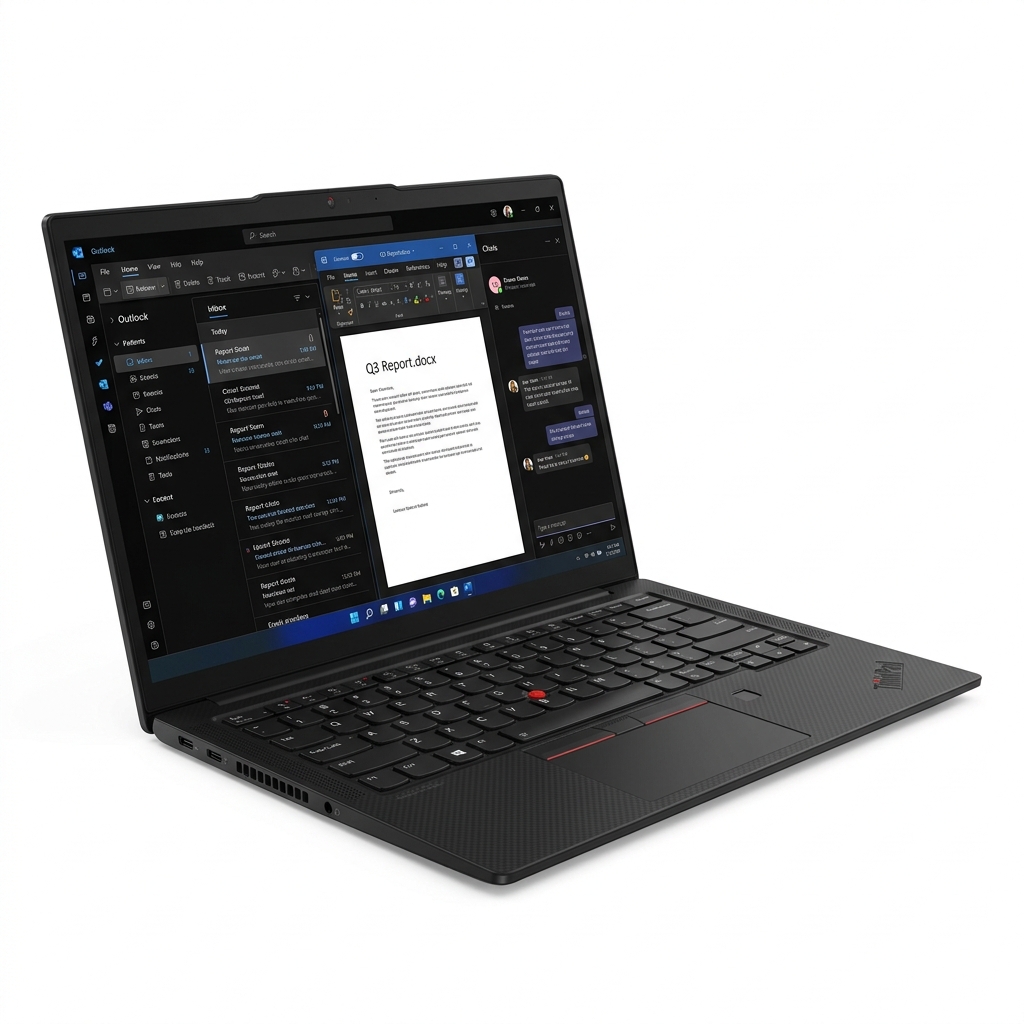
ThinkPad X1 Carbon
The ultimate enterprise workhorse. MIL-SPEC durability paired with the industry’s finest tactile keyboard; a timeless productivity tool.
Check Today's PriceTop AI Courses is an independent intelligence engine. We may earn an affiliate commission from qualifying purchases made through our "Market Links." This model ensures our architectural research remains decentralized, independent, and free for the global 2026 workforce.
2026 AI Salary Guide
“See the full salary breakdown for each AI skill and role, with certification paths for each.”
Read the Salary GuideThe Architect's Library
Precision tools verified for 2026 AI ecosystems. Industrial-grade hardware for those who build the future.
Top AI Courses is an independent intelligence engine. We may earn an affiliate commission from qualifying purchases made through our "Market Links." This model ensures our architectural research remains decentralized, independent, and free for the global 2026 workforce.