Will AI Replace Doctors? What the Medical Evidence Shows in 2026
“AI will not replace doctors in 2026 or the foreseeable future. However, AI diagnostic tools match or exceed specialist accuracy for specific imaging tasks, and physicians who ignore AI tools will be outcompeted by those who use them. The highest-risk physician roles are those doing high-volume, protocol-driven diagnostic work with limited patient relationship.”
Educational content only. AI-assisted and editorially reviewed. See full Legal Notice.
Will AI Replace Doctors? What the Medical Evidence Shows in 2026
The question gets asked every time a new AI diagnostic study is published. The answer requires precision — because "AI replacing doctors" means different things for different specialties, different tasks, and different time horizons.
Here is the evidence-based picture in 2026.
---
What AI Can Already Do in Medicine
Diagnostic Imaging: The Clearest Case
AI has demonstrated genuine diagnostic capability in medical imaging. FDA-cleared AI tools in 2026 include:
Diabetic retinopathy: Google's IDx-DR was the first FDA-cleared autonomous AI diagnostic system. It analyzes retinal photographs and diagnoses diabetic retinopathy without a physician reading. In clinical trials, sensitivity and specificity matched or exceeded ophthalmologist performance. Deployed at point-of-care in primary care settings, enabling screening where ophthalmologists aren't present.
Stroke detection: Viz.ai analyzes CT scans for large vessel occlusion strokes and alerts the neurology team within minutes — significantly faster than traditional radiology workflow. Time-to-treatment is the critical variable in stroke outcomes. Deployed in over 1,200 hospitals.
Chest pathology: Multiple FDA-cleared tools analyze chest X-rays for pneumonia, pneumothorax, and other findings. Some flag critical findings automatically, enabling prioritized reads for patients who need urgent attention.
Mammography: iCAD and Transpara AI provide second-read capability in mammography screening, catching cancers that human radiologists miss at rates comparable to adding a second radiologist reader.
Pathology: AI analysis of pathology slides for cancer grading and detection matches expert pathologist performance on specific tasks — and can process slides far faster.
Clinical Documentation
The most widely deployed AI in medicine is not diagnostic — it is administrative. Nuance DAX ambient documentation is used by tens of thousands of physicians in the US, reducing documentation time by 50-70% per encounter.
Physicians who spend 2 hours per day on EHR documentation reclaim that time for patient care. This is arguably more impactful on physician experience and patient access than AI diagnostics.
Early Warning and Prediction
AI embedded in hospital EHR systems — particularly Epic's AI models — predict patient deterioration, sepsis risk, and readmission risk hours before clinical signs would prompt action. These tools are standard at Epic-using health systems (78% of US hospitals) and have demonstrated measurable mortality reduction in peer-reviewed studies.
---
What AI Cannot Do in Medicine
Complex Multi-System Diagnostic Reasoning
A patient presents with fatigue, joint pain, rash, and intermittent fever. The differential diagnosis spans rheumatology, infectious disease, hematology, and autoimmune conditions. Narrowing this requires synthesizing history, physical exam findings, pattern recognition from years of experience, and probabilistic reasoning about rare presentations.
AI excels at narrow, well-defined tasks with clear input-output relationships. Complex diagnostic reasoning in undifferentiated presentations — the core of internal medicine and primary care — remains a human strength.
Physical Examination
No AI system can palpate an abdomen, auscultate subtle cardiac murmurs, assess gait abnormalities, or detect the subtle changes in appearance that signal serious illness. Physical examination provides information that imaging and lab data cannot.
Therapeutic Relationship and Communication
Informing a patient of a cancer diagnosis, discussing goals of care with a dying patient, motivating behavior change in a patient with chronic disease, and navigating family dynamics in complex medical situations require human communication, empathy, and trust that AI cannot replicate.
Procedural Medicine
Surgery, endoscopy, interventional cardiology, and the full range of procedural specialties require manual skill, spatial judgment, and real-time adaptation that robotic systems assist but do not perform autonomously.
---
Specialty by Specialty: The Risk Assessment
| Specialty | AI Impact | Driver |
|---|---|---|
| Radiology | High — augmentation, some displacement | Image analysis AI |
| Pathology | High — augmentation, some displacement | Slide analysis AI |
| Dermatology | Moderate — AI triage tools | Image classification |
| Ophthalmology | Moderate — screening automation | Retinal imaging AI |
| Primary care | Low — AI assists, does not replace | Complexity, relationship |
| Surgery | Low — AI enhances precision | Procedural skill irreplaceable |
| Psychiatry | Very low — relationship essential | Human therapeutic relationship |
| Emergency medicine | Low — AI prioritization assists | High complexity, variability |
| Cardiology | Moderate — ECG/echo AI | Structured data amenable to AI |
---
The Physician Shortage Context
It is important to note that globally, physician shortages are the dominant workforce issue in healthcare — not excess supply. The WHO projects a shortage of 10 million healthcare workers by 2030. In this context, AI increasing physician productivity is a solution to shortage, not a driver of displacement.
AI enabling a radiologist to read more studies per day, or a primary care physician to handle a larger panel through better administrative efficiency, expands access — it does not reduce physician employment.
---
What Physicians Should Do Now
Learn to use AI diagnostic tools in your specialty. The physicians who understand how to use AI diagnostic support — and critically evaluate its outputs — are more effective and more competitive for roles at technology-forward health systems.
Invest in clinical skills AI cannot replicate. Procedural expertise, complex diagnostic reasoning, and therapeutic relationship skills have increasing relative value as AI handles more routine diagnostic work.
Consider clinical informatics. For physicians interested in AI itself, clinical informatics — designing, implementing, and evaluating clinical AI systems — is a growing subspecialty with significant influence and compensation premium.
Hardware Validation
Vetted tools for peak Careers performance in high-yield AI workflows.
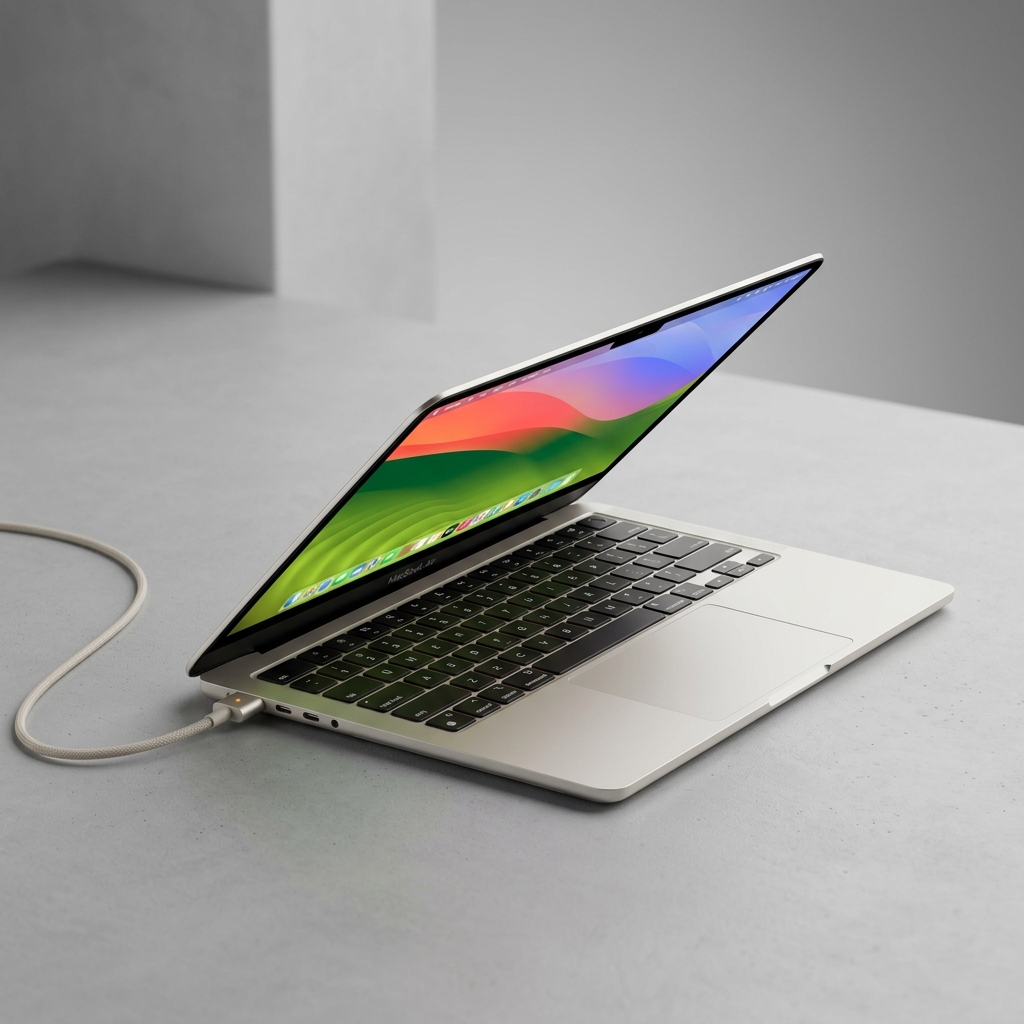
Macbook Air
The world’s premier laptop for mainstream users. An unprecedented fusion of silent performance, ultra-slim aesthetics, and multi-day battery longevity.
Check Today's Price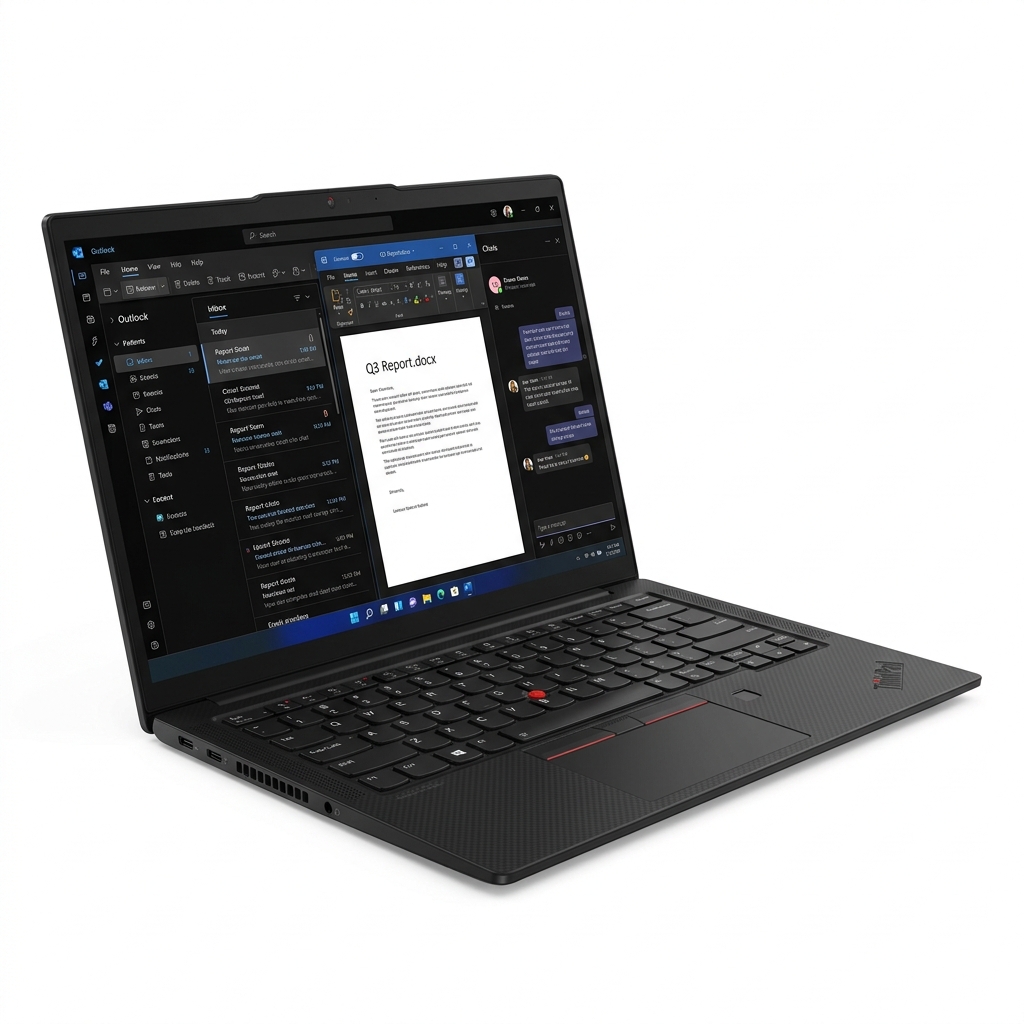
ThinkPad X1 Carbon
The ultimate enterprise workhorse. MIL-SPEC durability paired with the industry’s finest tactile keyboard; a timeless productivity tool.
Check Today's PriceTop AI Courses is an independent intelligence engine. We may earn an affiliate commission from qualifying purchases made through our "Market Links." This model ensures our architectural research remains decentralized, independent, and free for the global 2026 workforce.
Healthcare AI Certification
“IBM leads in clinical AI — the most recognized certifications for healthcare professionals entering AI-adjacent roles.”
Explore IBM AI Courses →The Architect's Library
Precision tools verified for 2026 AI ecosystems. Industrial-grade hardware for those who build the future.
Top AI Courses is an independent intelligence engine. We may earn an affiliate commission from qualifying purchases made through our "Market Links." This model ensures our architectural research remains decentralized, independent, and free for the global 2026 workforce.