Will AI Replace Truck Drivers? The Autonomous Vehicle Reality in 2026
“Autonomous trucks are commercially deployed on limited highway routes in 2026, but full replacement of truck drivers is at least 5-10 years away. Short-haul, urban, and last-mile delivery require human drivers for the foreseeable future. The roles most at risk are long-haul highway driving on established interstate routes.”
Educational content only. AI-assisted and editorially reviewed. See full Legal Notice.
Will AI Replace Truck Drivers? The Autonomous Vehicle Reality in 2026
Truck driving employs approximately 3.5 million people in the United States alone. The question of AI replacement has enormous economic and social stakes — and it deserves an honest answer rather than either panic or denial.
The honest answer in 2026: autonomous trucks are real, commercially deployed in limited conditions, and on a trajectory that will significantly disrupt long-haul trucking over the next decade. But full replacement across all trucking categories is further away than headlines suggest, and the transition will be uneven.
---
The Current State of Autonomous Trucks in 2026
What Is Actually Deployed
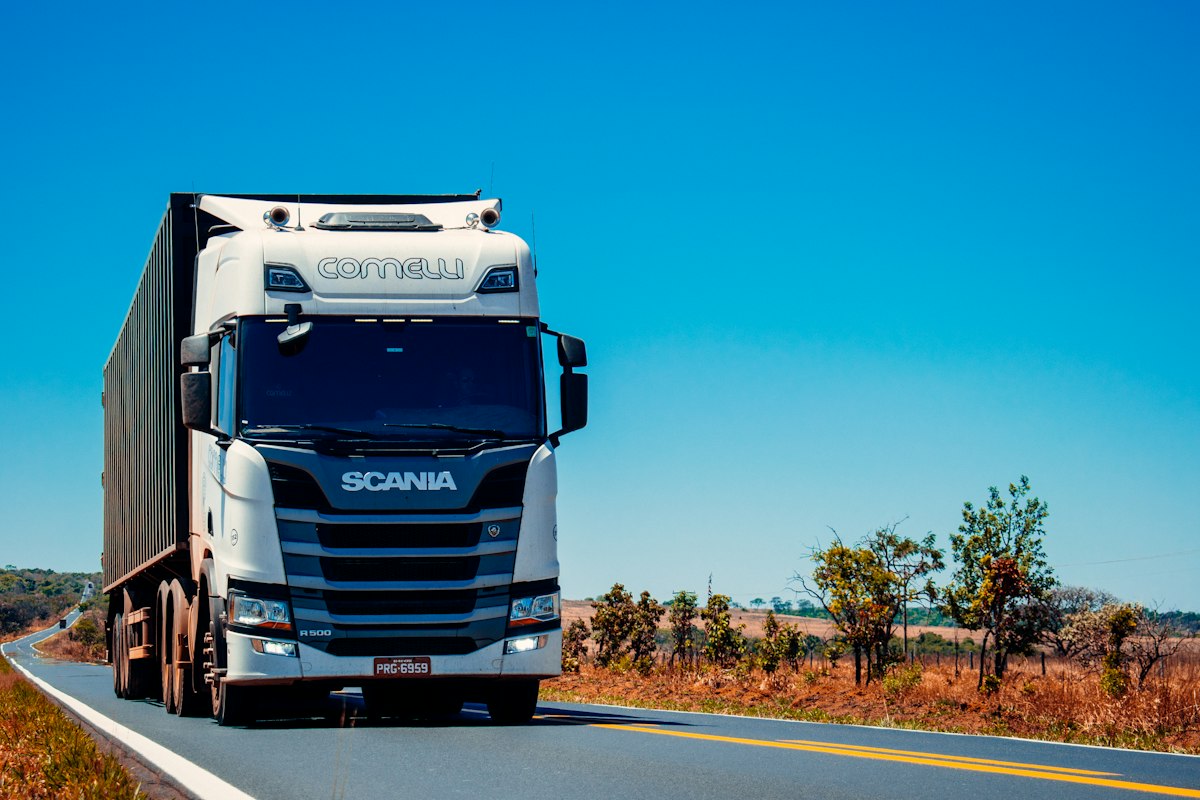
Aurora Innovation is the furthest along in commercial US deployment. In early 2026, Aurora operates autonomous Class 8 semi-trucks on the Dallas-Houston I-45 corridor without a safety driver in the cab. Their commercial partners include FedEx, Werner, and Schneider.
This is a significant milestone — but it is one specific route, under specific conditions, after years of preparation.
Waymo Via operates supervised autonomous trucks (with safety drivers) in partnership with JB Hunt and Uber Freight in Texas and the Southwest US.
Torc Robotics (a Daimler Truck subsidiary) runs supervised test programs in New Mexico and Virginia.
The Significant Limitations
Autonomous trucks in 2026 work well under specific conditions:
The "middle mile" — interstate highway driving between major distribution centers — is the segment ready for automation. Everything else still requires human drivers.
---
The Trucking Segments by Risk Level
| Trucking Type | AI Risk Level | Timeline |
|---|---|---|
| Long-haul interstate (dry van) | High | 5-10 years for meaningful displacement |
| Regional trucking (500-800 miles) | Medium | 10-15 years |
| Last-mile delivery (urban) | Low | 15+ years, if ever |
| Specialized cargo (hazmat, oversized) | Very low | Regulatory constraints add 10+ years |
| Construction/off-road | Negligible | Not viable with current technology |
| Local/city delivery | Low | Human needed for deliveries |
The 3.5 million truck driver jobs in the US are highly diverse. The segment at meaningful near-term risk is long-haul highway driving — a significant but not majority portion of total driver employment.
---
New Jobs Being Created in Autonomous Logistics
Remote Safety Monitor / Teleoperation Specialist
Autonomous trucks generate situations they cannot handle — unexpected road conditions, system alerts, edge cases. Remote operators monitor multiple vehicles and take control when AI requests intervention.
Salary: $55,000-$75,000 — comparable to driving, without the physical demands
Fleet AI Operations Manager
Manages fleets of partially or fully autonomous vehicles. Monitors system performance, coordinates maintenance, handles exceptions, and optimizes routing. Requires understanding of AI fleet management software.
Salary: $75,000-$100,000
Logistics Data Analyst
Supply chain optimization, route efficiency analysis, and AI system performance monitoring. Growing significantly as logistics companies deploy more AI.
Salary: $65,000-$95,000
Last-Mile Delivery (Growth)
E-commerce continues growing faster than automation can address it. Amazon, FedEx, UPS, and regional carriers are actively hiring last-mile delivery drivers — a segment unlikely to be automated for many years.
---
The Technology Behind Autonomous Trucks
Understanding this helps drivers evaluate timelines and career pivots:
Lidar — Laser-based sensors that create 3D maps of the surrounding environment up to 300 meters. Critical for obstacle detection but expensive and vulnerable to adverse weather.
Radar — More weather-tolerant than lidar, good at measuring velocity of other vehicles. Works in fog, rain, and snow where lidar degrades.
High-Definition Mapping — Autonomous trucks don't navigate from GPS alone. They compare real-time sensor data against pre-built centimeter-accurate maps. Routes must be mapped before they can be driven autonomously — a significant constraint on deployment speed.
AI Route Planning — Determines optimal path, manages lane changes, follows traffic laws, and handles normal highway driving scenarios. Mature technology for controlled conditions.
The critical gap: Construction zones, unusual weather, police directing traffic, debris in the road, and other edge cases remain significant challenges. These occur often enough in real-world trucking to make full autonomy much harder than controlled demonstrations suggest.
---
What Truck Drivers Should Do Now
Don't panic, but don't ignore it. The 5-10 year timeline for meaningful displacement of long-haul driving is real. Planning now gives you options that waiting does not.
Shift toward non-automatable segments. Local delivery, specialized cargo, hazmat, oversized loads, and vocational trucking (construction, mining) are significantly more protected. Within trucking, moving toward these specializations is the most direct hedge.
Learn fleet management technology. Drivers who understand route optimization software, electronic logging devices, and fleet management platforms are better positioned for supervisor, dispatcher, and operations roles as companies automate portions of their fleet.
Consider remote monitoring roles. Autonomous trucking companies are hiring experienced drivers specifically for remote monitoring and intervention roles — their driving experience is a direct advantage in understanding what AI systems struggle with.
Explore supply chain operations. AWS's logistics and supply chain AI certifications are directly relevant to distribution center operations, supply chain analytics, and fleet management — roles with growing demand as logistics companies automate more of their operations.
Hardware Validation
Vetted tools for peak Careers performance in high-yield AI workflows.

Macbook Air
The world’s premier laptop for mainstream users. An unprecedented fusion of silent performance, ultra-slim aesthetics, and multi-day battery longevity.
Check Today's Price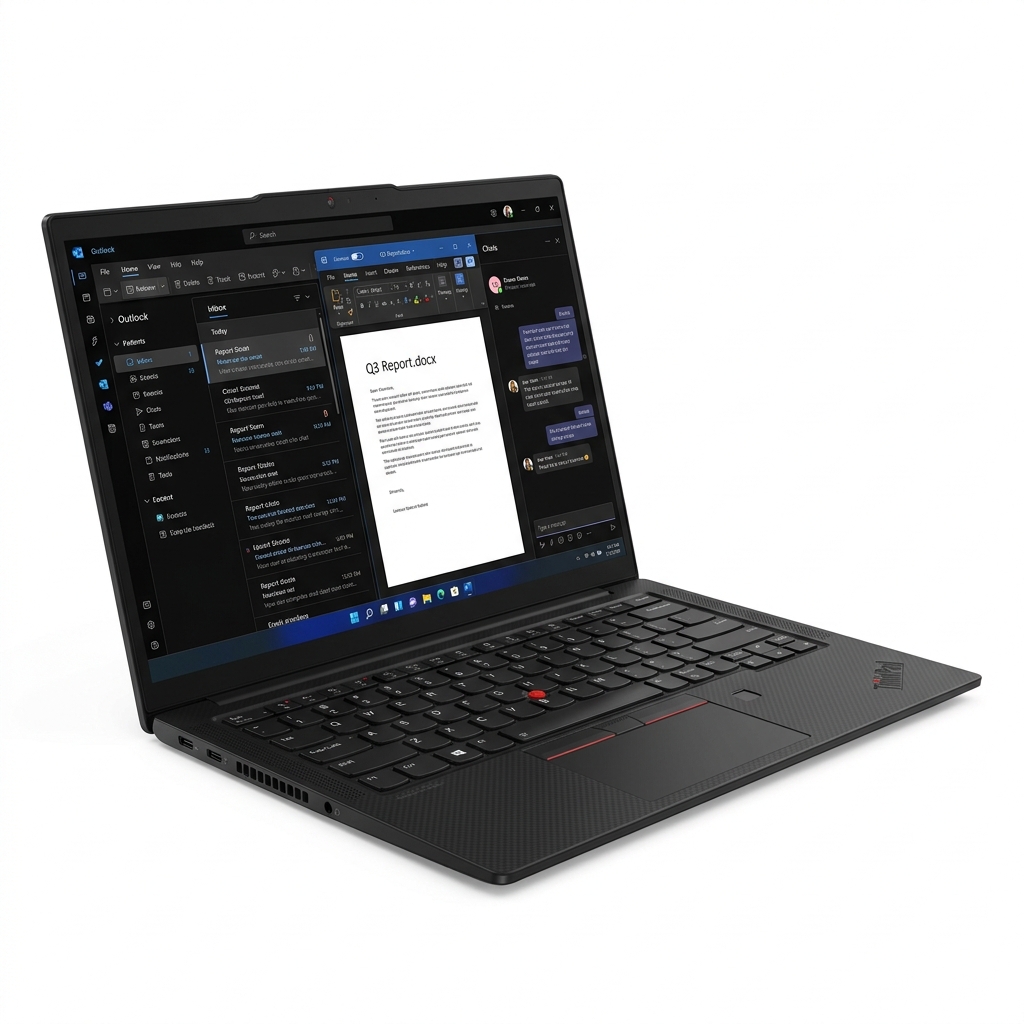
ThinkPad X1 Carbon
The ultimate enterprise workhorse. MIL-SPEC durability paired with the industry’s finest tactile keyboard; a timeless productivity tool.
Check Today's PriceTop AI Courses is an independent intelligence engine. We may earn an affiliate commission from qualifying purchases made through our "Market Links." This model ensures our architectural research remains decentralized, independent, and free for the global 2026 workforce.
AI Skills for Logistics Professionals
“AWS is the dominant cloud platform for logistics, supply chain, and fleet management AI systems globally.”
Explore AWS AI Courses →The Architect's Library
Precision tools verified for 2026 AI ecosystems. Industrial-grade hardware for those who build the future.
Top AI Courses is an independent intelligence engine. We may earn an affiliate commission from qualifying purchases made through our "Market Links." This model ensures our architectural research remains decentralized, independent, and free for the global 2026 workforce.